

The world of art collecting and museum acquisitions took an exciting turn on November 3, 2025, when the Fine Arts Museums of San Francisco (FAMSF), encompassing the de Young Museum and the Legion of Honor, announced a transformative gift of 1,600 works from local collector Kirk Edward Long. This generous donation, part of FAMSF's ongoing "Gifts of Art" campaign, significantly bolsters the institution's holdings in early modern European prints, drawings, and related artworks. Among the highlights is a rare chiaroscuro woodcut of Diogenes by Ugo da Carpi after Parmigianino, a masterpiece that exemplifies the innovative printmaking techniques of the Renaissance. This article explores the donation's scope, the collector's background, the historical context of the featured artwork, and its broader implications for art scholarship and public access.
The Donor: Kirk Edward Long and His Passion for Prints
Kirk Edward Long, a San Francisco-based collector, has long been recognized in art circles for his discerning eye and dedication to assembling one of the finest private collections of Renaissance and early modern European prints. His collection has previously been showcased in exhibitions such as "Renaissance Impressions: Sixteenth-Century Master Prints from the Kirk Edward Long Collection," which toured various U.S. museums, including the Memorial Art Gallery at the University of Rochester. Long's focus on prints stems from their role as accessible mediums that democratized art during the Renaissance, allowing ideas and images to spread beyond elite circles.
According to reports from ARTnews, Long's gift includes over 1,600 items, primarily works on paper from the 15th to 17th centuries. These encompass engravings, woodcuts, and etchings by masters such as Albrecht Dürer, Lucas van Leyden, and Giorgio Ghisi, whose Judgment of Paris is another standout piece in the collection. The donation builds on Long's previous contributions; for instance, a 2023 report from the Fine Arts Museums Foundation noted an earlier gift of 434 works on paper. This latest bequest, however, marks a pivotal moment, nearly quadrupling the impact and positioning FAMSF as a premier destination for studying European printmaking.
Long's motivation appears rooted in a desire to preserve and share cultural heritage. In statements echoed across sources like HENI News, he emphasized the importance of making these works available to the public, aligning with FAMSF's mission to inspire and educate. Museum officials, including curators at the de Young, have hailed the gift as a "game-changer," noting that it fills gaps in their existing collections and enhances exhibitions on Renaissance innovation.

Spotlight on a Masterpiece: Ugo da Carpi's Diogenes after Parmigianino
At the heart of this donation lies Diogenes, a chiaroscuro woodcut created around 1527–1530 by Ugo da Carpi, based on a design by the Mannerist painter Parmigianino. This print, measuring approximately 18 11/16 x 13 5/8 inches (47.5 x 34.6 cm), captures the essence of Renaissance humanism through its portrayal of the ancient Greek philosopher Diogenes of Sinope (c. 412–323 BCE), a Cynic known for his ascetic lifestyle and sharp wit.
In the composition, Diogenes is depicted seated before his famous barrel—symbolizing his rejection of material comforts—immersed in reading a book. A plucked hen stands behind him at right, alluding to one of his most famous anecdotes: mocking Plato's definition of man as a "featherless biped" by presenting a plucked chicken and declaring, "Here is Plato’s man!" This humorous yet profound element underscores Diogenes' philosophical challenge to societal norms, a theme that resonated with Renaissance thinkers rediscovering classical texts.
Ugo da Carpi (c. 1480–1532), an Italian printmaker active in Venice and Bologna, pioneered the chiaroscuro woodcut technique in Italy. As detailed by the Metropolitan Museum of Art, this method involves multiple woodblocks—typically four in this case—each inked in different shades (here, gray-green tones) and printed sequentially to build depth and form through tonal variations rather than lines. Da Carpi likely drew inspiration from Parmigianino's wash drawings, and the two may have collaborated, blending drawing-like fluidity with print reproducibility.
The technique was revolutionary, bridging painting and printmaking. As noted in collections like the Blanton Museum of Art and the National Gallery of Art, da Carpi's mastery elevated woodcuts from mere illustrations to standalone artworks, influencing later artists like Titian. This particular print's inclusion in Long's gift enhances FAMSF's ability to showcase the evolution of printmaking, offering visitors a tangible link to the intellectual ferment of the 16th century.

Historical and Cultural Significance of the Donation
The Kirk Edward Long gift arrives at a time when museums are increasingly focused on expanding access to diverse narratives. Early modern European prints, often produced in multiples, were instrumental in disseminating ideas during the Reformation and the Scientific Revolution. They captured mythological, religious, and philosophical themes, making complex concepts visually accessible. For FAMSF, this influx of works strengthens its Achenbach Foundation for Graphic Arts, one of the largest print collections in the Western U.S.
Curators anticipate using the collection for thematic exhibitions, such as explorations of Mannerism or the role of prints in cultural exchange. The donation also aligns with broader trends in philanthropy, where collectors like Long ensure private treasures become public assets. As reported in MSN, this gift comes amid discussions on tariffs affecting the decorative arts trade, highlighting the enduring value of such cultural investments.
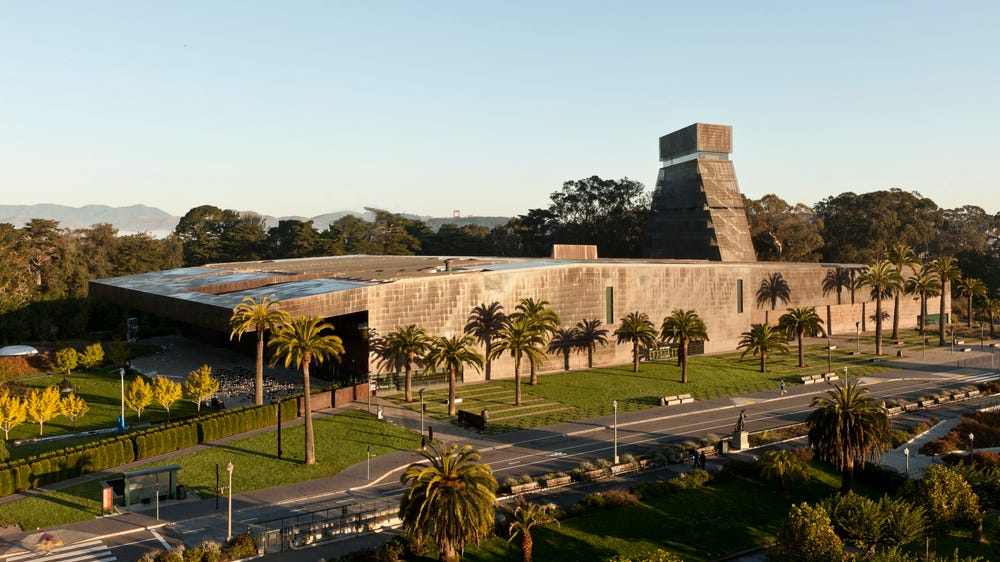
Moreover, the de Young Museum, located in Golden Gate Park, provides an ideal setting for these works. Its modern architecture, designed by Herzog & de Meuron, contrasts beautifully with historical prints, inviting visitors to reflect on continuity and change in art.
Broader Implications for Art Enthusiasts and Scholars
This donation not only enriches FAMSF's holdings but also sparks renewed interest in understudied areas like chiaroscuro techniques. Scholars can now access rare impressions, potentially leading to new research on attribution, provenance, and cultural impact. For the public, it means more engaging exhibitions, workshops, and digital resources, democratizing access to Renaissance art in a city known for its cultural vibrancy.
In summary, Kirk Edward Long's gift, with Diogenes as a shining example, underscores the power of individual passion to shape institutional legacies. As FAMSF integrates these works, art lovers worldwide can look forward to deeper insights into the Renaissance's visual legacy.
FAQ
What is the Kirk Edward Long gift to FAMSF?
The gift consists of 1,600 works, primarily early modern European prints, donated by San Francisco collector Kirk Edward Long to the Fine Arts Museums of San Francisco as part of their "Gifts of Art" campaign.
Who is Kirk Edward Long?
Kirk Edward Long is a prominent art collector specializing in Renaissance and early modern European prints. His collection has been featured in exhibitions and has previously contributed to museums, reflecting his commitment to preserving and sharing art.
What makes Ugo da Carpi's Diogenes significant?
This chiaroscuro woodcut, created after Parmigianino's design around 1527–1530, showcases innovative printmaking techniques and depicts the philosopher Diogenes with symbolic elements like the plucked hen, highlighting Renaissance humanism and wit.
How will the donation impact FAMSF?
It enhances the museum's graphic arts collection, fills historical gaps, and supports new exhibitions, research, and public programs at the de Young and Legion of Honor museums.
Where can I learn more about the artwork?
Visit the FAMSF website for updates on exhibitions or explore collections at institutions like the Metropolitan Museum of Art for similar pieces.
Is the donation open to the public yet?
While integration is ongoing, select works may be displayed soon. Check FAMSF's schedule for announcements on viewings or virtual tours.
0 comments