

Venturing into the realm of large canvas art represents a bold leap for any artist, transforming routine brushstrokes into immersive, full-body experiences that captivate both creator and viewer. In 2025, as digital tools blend seamlessly with traditional methods, big canvas creations are not just about size—they're about amplifying emotional depth, breaking creative barriers, and crafting pieces that command attention in galleries or homes. This guide draws from time-tested strategies and modern innovations to equip artists with the knowledge to tackle oversized projects confidently. Whether you're a seasoned painter looking to scale up or a beginner eager to explore grand formats, understanding the nuances of preparation, technique, and mindset is key. Inspired by pioneers like Jackson Pollock and his dynamic Abstract Expressionism, we'll cover everything from initial sketches to final touches, ensuring your large-scale works resonate with power and precision.
Large canvases demand more than scaled-up versions of small works; they require adapted workflows to handle physical challenges and maintain artistic integrity. With sustainability in mind—opting for eco-friendly materials like recycled cotton canvases—artists can create impactful art while minimizing environmental footprint. Let's dive into the essentials, exploring why big is better, practical handling, and beyond.
Why Dive into Large Canvas Art?
Embracing oversized canvases isn't merely a trend; it's a gateway to artistic liberation. The sheer scale encourages broader gestures and bolder color choices, fostering a sense of freedom absent in smaller formats. Historically, artists like Pollock revolutionized painting by laying canvases on the floor, allowing uninhibited movement that turned art into performance. In 2025, this approach resonates amid a surge in immersive installations, where pieces can span walls or rooms, engaging viewers on a visceral level.
Benefits Galore: Beyond aesthetics, large works combat creative ruts by demanding physical engagement—think arm sweeps and ladder climbs that invigorate the process. They build confidence through problem-solving, often fetching higher market values in contemporary art scenes. Challenges include higher costs for materials and storage, but the rewards in emotional impact and personal growth outweigh them.
Practical Strategies for Handling Massive Canvases
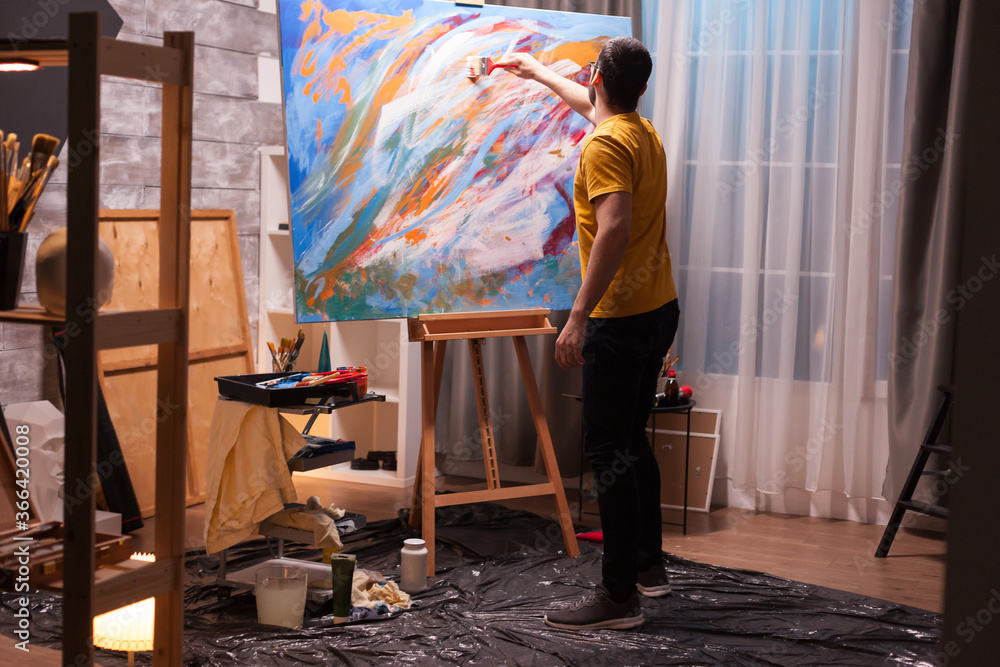
Managing a canvas that's taller than you requires smart logistics. Always lift from the stretcher bars to avoid tears, and use padded tables or bridges for flat positioning, enabling easy rotation without smudges. For vertical setups, lean against padded walls with drop cloths below to catch drips. Ergonomics matter—elevate canvases to waist height or use adjustable easels to prevent strain.
Drawing from Georgia O'Keeffe's adaptive studios, incorporate natural light and ample space. Safety first: Secure ladders for high reaches and wear protective gear against fumes.
Scaling Your Vision: From Tiny Sketches to Epic Canvases
Translating a small sketch to a large canvas demands precision to preserve proportions. Begin with thumbnails, then employ the grid method: Divide your sketch into squares and replicate on the canvas using charcoal or strings for temporary lines. Digital aids like projectors or apps from Adobe streamline this, allowing real-time adjustments.
Exaggerate elements for impact—subtle details in sketches become dramatic on large scales. Test compositions digitally to foresee viewer perspectives.

Equipping Yourself with Oversized Tools
Standard brushes fall short on big canvases; opt for large-scale ones from suppliers like Dick Blick. Synthetic bristle or foam rollers cover vast areas efficiently, while DIY extensions—brushes taped to dowels—extend reach.
Large palettes, such as plastic trays or butcher paper, accommodate bulk mixing. Palette knives and squeegees add texture, essential for expressive works.

Preparation and Setup: Building a Strong Foundation
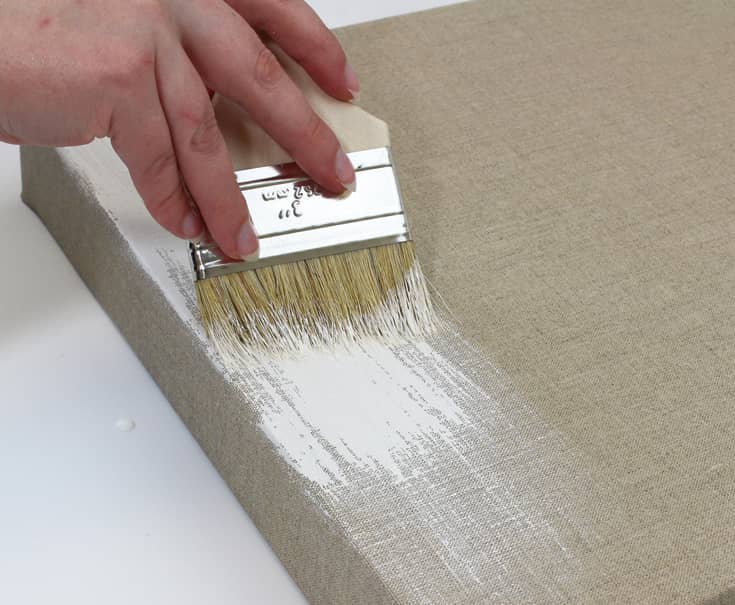
Prime thoroughly with multiple gesso layers for an even, absorbent surface—apply with wide brushes, sanding between coats for smoothness. Invest in heavy-duty easels or custom stands; protect floors with tarps.
Select tools like fan brushes for blending and organize into zones: wet paints, clean tools, references. This setup, inspired by Royal Academy of Arts practices, enhances efficiency.
The Painting Process: Techniques for Bold Mastery
Adapt strokes to full-body movements for momentum. Use grids for accuracy, starting centrally and working outward. Batch-mix colors on large palettes like glass sheets for consistency.
Layer strategically: Thin underpaints to thick impastos. Progress dark to light for depth, taking breaks to assess. Experiment boldly—embrace imperfections as unique signatures, much like Claude Monet's evolving techniques.
Recommended Materials for Stunning Results
Acrylic paints excel for quick drying and layering; oils for rich textures. Watercolors suit washes on primed surfaces, while mixed media adds dimension via collages.
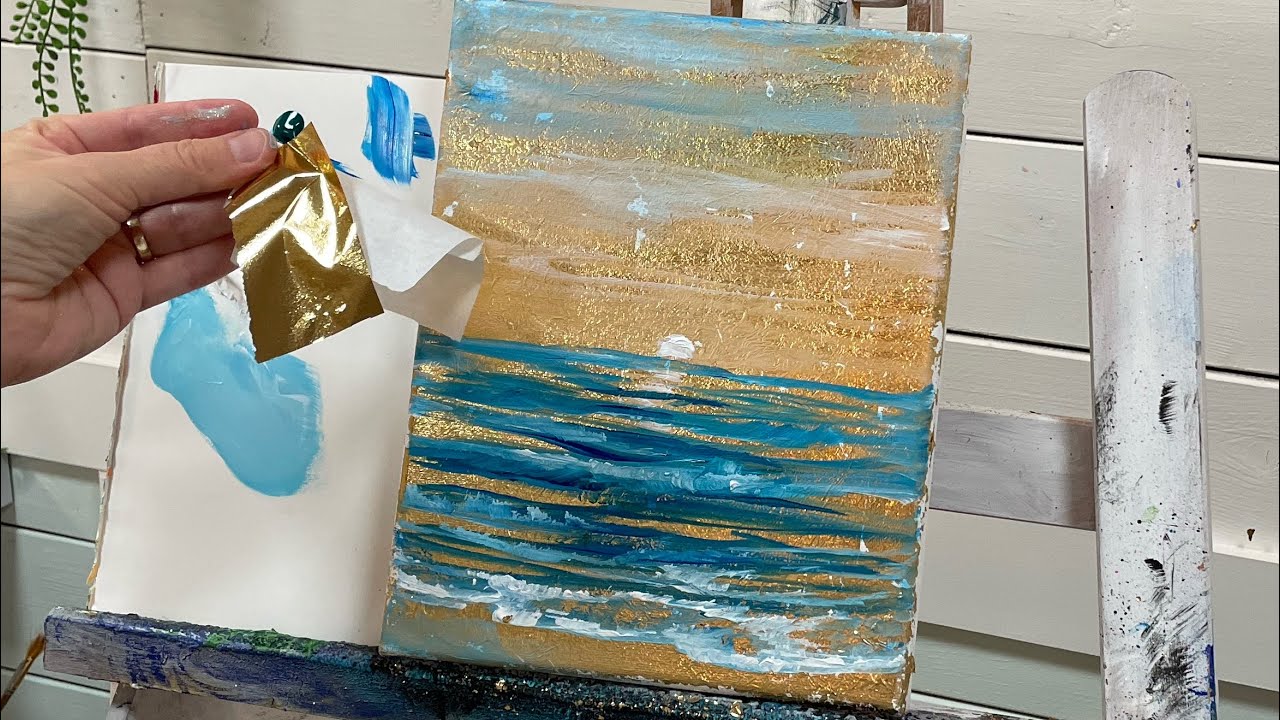
Incorporate imitation gold leaf for metallic flair: Apply adhesive, press leaf, brush away excess, and seal. Brands like Speedball offer reliable options.
Advanced Techniques to Elevate Your Creations
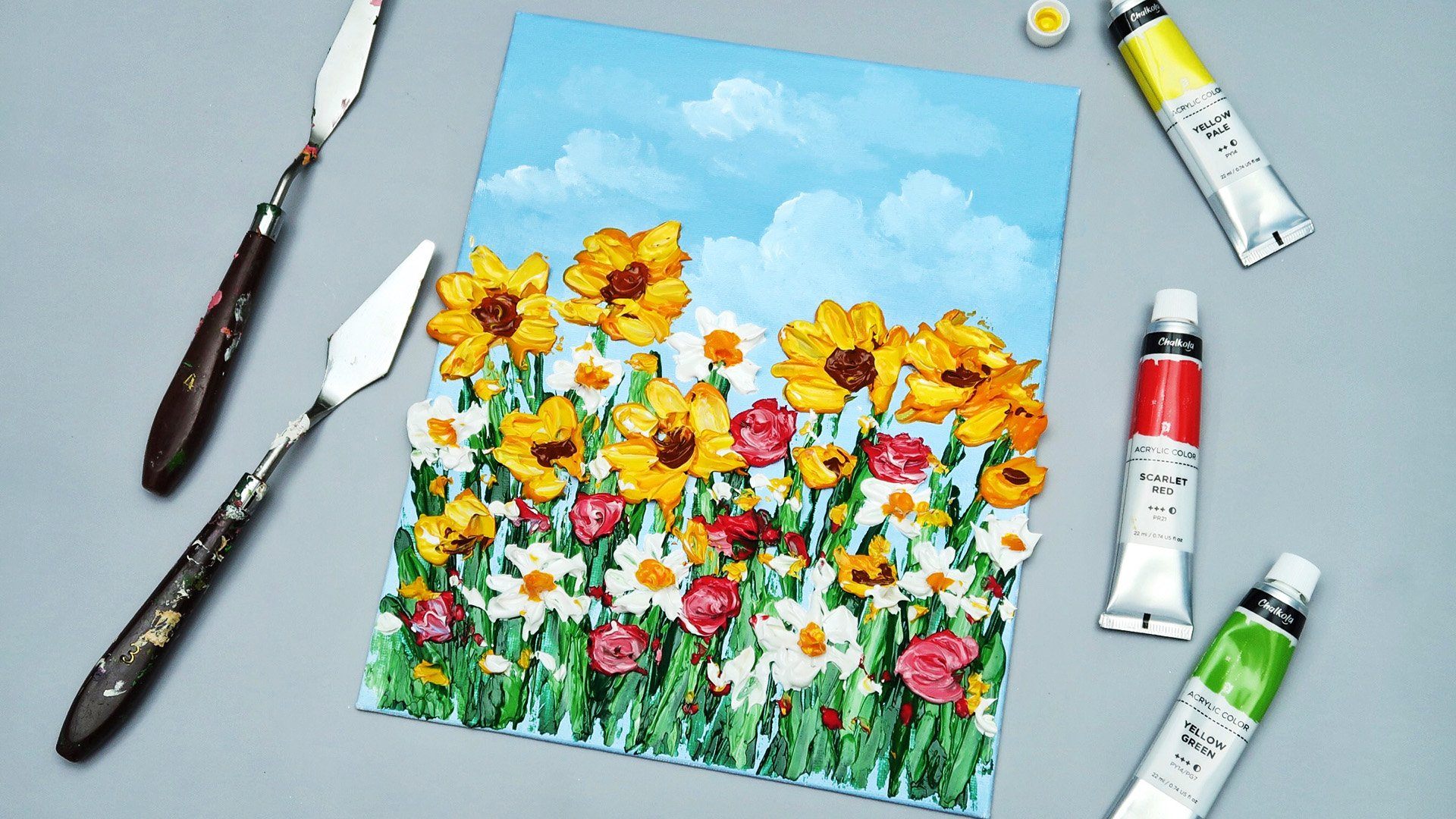
Glazing builds luminous depths; impasto creates tactile textures with heavy paint applications. Scumbling adds subtle haze, stenciling precise patterns. Resources from Artists Network provide in-depth guides.
Optimizing Your Workspace for Efficiency
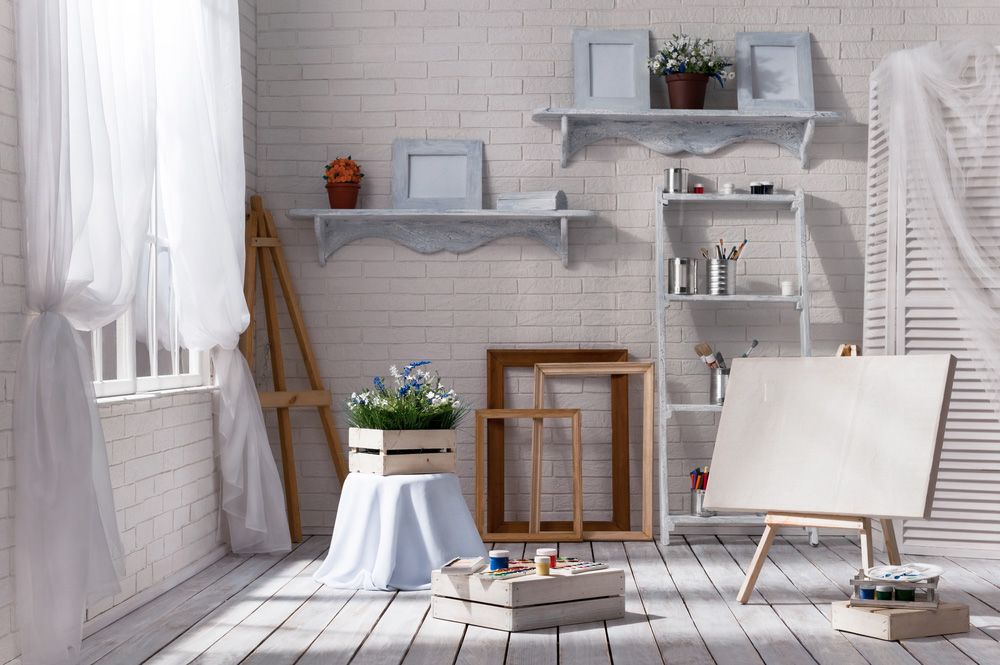
A well-designed studio is crucial: Ensure ample lighting, ventilation, and storage for large canvases. Modular furniture allows flexibility; ergonomic tools reduce fatigue. DIY setups, like rolling carts, keep supplies accessible.
Patience, Practice, and Community: The Intangibles
Mastery comes with time—practice on mid-sized pieces first. Don't fear revisions; join forums like WetCanvas for feedback.
Conclusion: Unleash Your Grand Vision
Large canvas art in 2025 blends tradition with innovation, offering endless possibilities. With these tips, transform challenges into triumphs, creating works that inspire. Explore BigArtify for supplies and let your creativity soar.
FAQ
1. Why should artists try large canvas art?
It promotes bold creativity, physical engagement, and produces immersive, valuable pieces that stand out in modern settings.
2. What tools are essential for big canvases?
Oversized brushes, sturdy easels, gesso for priming, ladders for access, and large palettes for mixing.
3. How do I scale a small sketch to a large canvas?
Use the grid method, projectors, or digital apps to maintain proportions and exaggerate features for impact.
4. What are the best materials for large-scale painting?
Acrylics for speed, oils for texture, and add-ons like gold leaf for accents—prioritize quality for durability.
5. How can I organize my workspace effectively?
Designate zones for supplies, ensure good lighting and ventilation, and use modular storage for flexibility.
6. What advanced techniques enhance big canvas works?
Try glazing for depth, impasto for texture, scumbling for subtlety, and stenciling for patterns.
7. How important is patience in this process?
Very—start small, take breaks, and embrace imperfections as part of your artistic journey.
0 comments