

The Art Institute of Chicago (AIC), one of the world's premier art museums, continued its legacy of enriching its vast collections in 2025 with a series of intriguing acquisitions. These additions, spanning centuries and continents, reflect the institution's commitment to diversity, innovation, and cultural preservation. From modernist portraits and contemporary landscapes to rare textiles and symbolic self-portraits, the year's highlights include works by Christian Schad, Kay WalkingStick, Francesca Woodman, and others. Sourced from art fairs like TEFAF Maastricht and private collections, these pieces not only enhance the museum's holdings but also offer fresh perspectives on art history. Curators such as Jay A. Clarke and Sarah Kelly Oehler have emphasized the acquisitions' role in filling gaps and sparking new dialogues. This article explores each addition in detail, tracing their artistic significance, historical contexts, and contributions to the AIC's narrative of global creativity.
A Legacy of Collecting: The Art Institute's Acquisition Philosophy
Founded in 1879, the AIC boasts over 300,000 works, including iconic pieces like Georges Seurat's A Sunday on La Grande Jatte. Its acquisition strategy prioritizes "eye-catching" and underrepresented items, as seen in 2025's selections. Amid economic challenges and evolving art markets, the museum acquired over 1,000 objects, but a curated list of standouts—published in early 2026—showcases eight exemplary pieces. These range from European modernism to Indigenous American perspectives and South Asian textiles, demonstrating a balanced approach to chronology, medium, and geography. By integrating such diverse works, the AIC fosters inclusivity, allowing visitors to explore interconnected themes like identity, power, and nature.
Spotlight on the Acquisitions: From Portraits to Porcelains
The 2025 acquisitions blend established masters with lesser-known gems, each adding unique layers to the museum's departments of prints, drawings, paintings, and decorative arts.
Starting with Christian Schad's Portrait of Composer Josef Matthias Hauer (1927), this oil painting marks a milestone as the first Schad portrait in a U.S. museum. Schad, a key figure in New Objectivity, captured Hauer's intense gaze amid the Weimar Republic's cultural ferment. Hauer, an atonal music pioneer, is depicted with stark realism, highlighting interwar Europe's artistic intersections. Acquired in 2025, it bolsters the AIC's modern European collection.

Next, Kay WalkingStick's The Silence of Glacier (2013) brings a contemporary Indigenous voice to the fore. A Cherokee artist, WalkingStick overlays abstract patterns on realistic landscapes, evoking Native American connections to land. This diptych of Glacier National Park symbolizes environmental silence and cultural resilience, acquired amid growing focus on Indigenous art. It complements the AIC's American collection, inviting reflections on ecology and heritage.

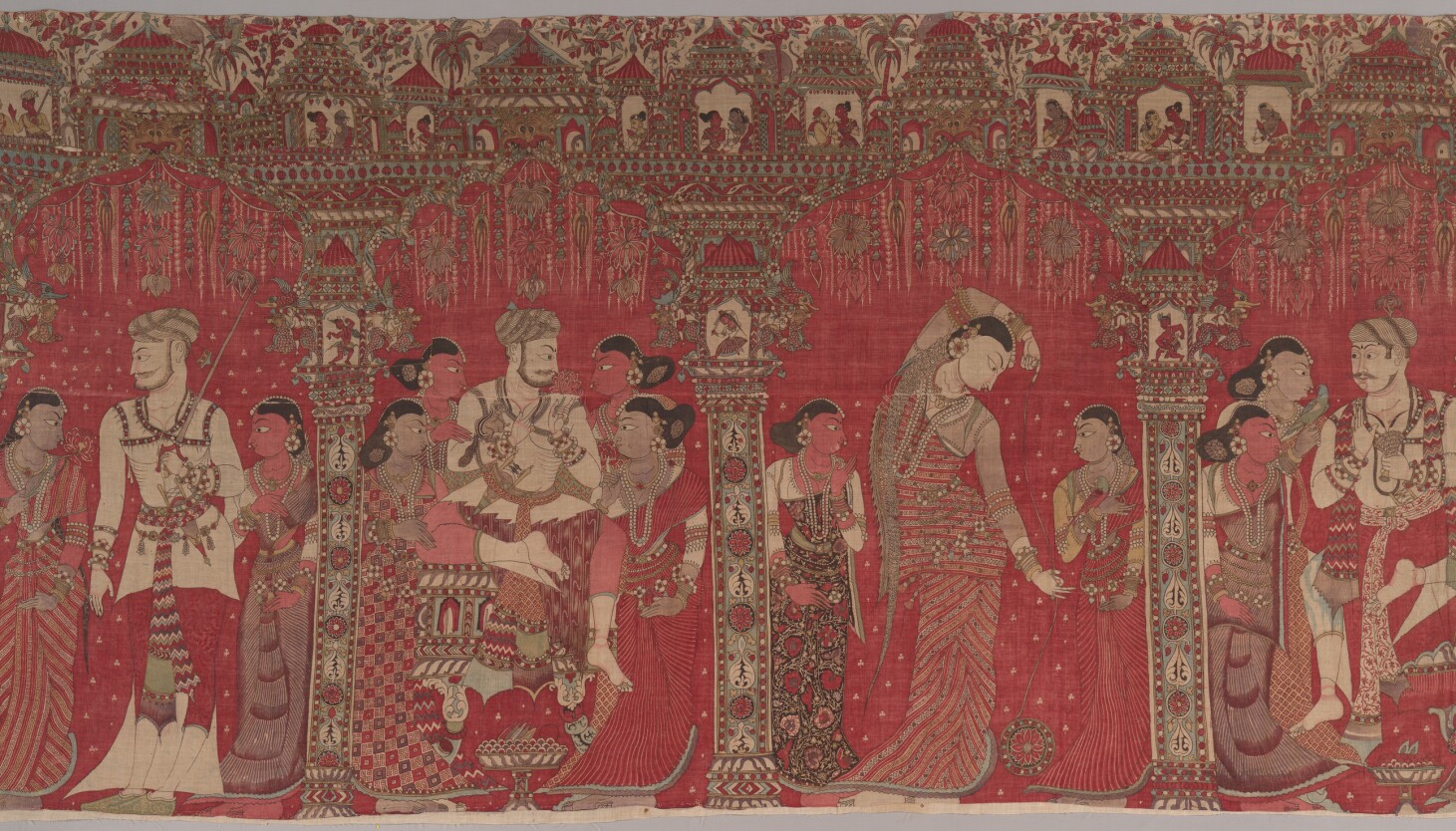
A standout rarity is A Nayaka Nobleman with Courtiers and Courtesans (1640–50), a hand-painted and dyed cotton hanging from India's Tamil Nadu region. Depicting court life under the Nayaka dynasty, this large-scale textile—extraordinarily preserved—features a central nobleman amid attendants, showcasing vibrant colors and intricate narratives. As one of only a few known examples, it illuminates 17th-century South Indian patronage and trade. Acquired in 2025, it enriches the AIC's Asian arts wing, bridging textile traditions with global history.
Frans Francken II's Esther Before Ahasuerus (1622) revives a biblical tale from the Book of Esther. This Flemish Baroque panel shows Esther pleading for her people, rendered with dramatic light and opulent details. Francken, a prolific Antwerp painter, specialized in narrative scenes; this work highlights religious tolerance themes. Added to the AIC's European paintings, it was secured in 2025 to deepen 17th-century holdings.

Design enthusiasts will appreciate Jaime Gutiérrez Lega's Ovejo Armchair (1972), a whimsical sheep-shaped seat from the Colombian designer. Blending functionality with surrealism, it reflects mid-20th-century Latin American modernism. Acquired in 2025, it diversifies the AIC's architecture and design department, emphasizing playful innovation.
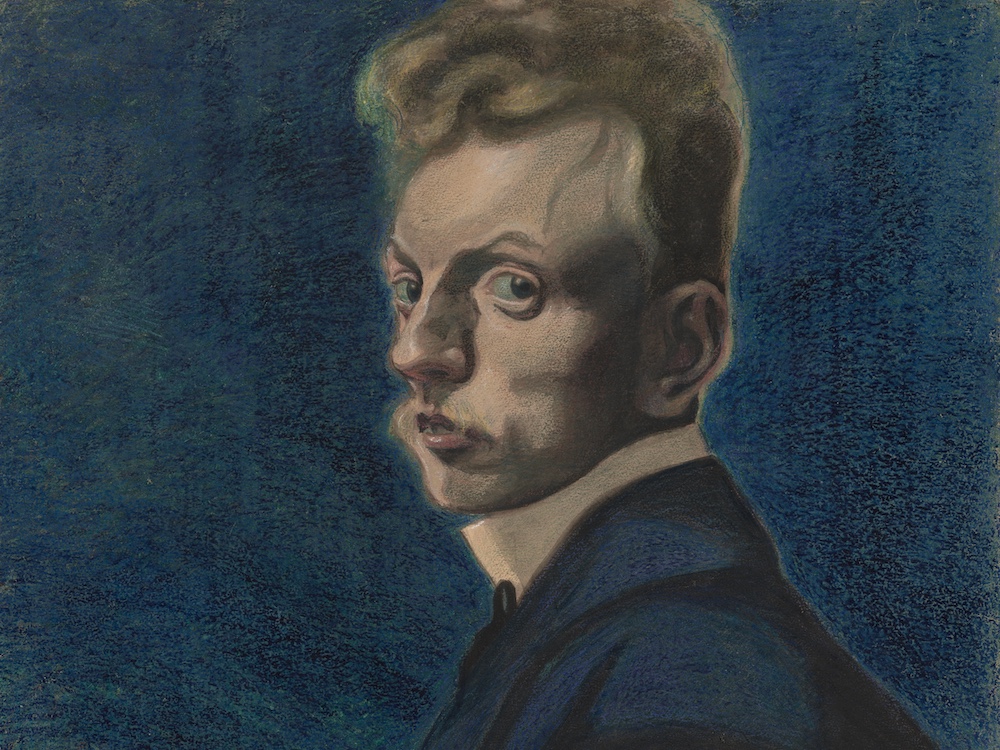
Léon Spilliaert's Self-Portrait on a Blue Background (1907) is a haunting drawing the AIC pursued for a decade. The Belgian Symbolist captures introspective anguish with bold lines and ethereal blues, influenced by Art Nouveau. Purchased at TEFAF Maastricht, it adds emotional depth to early 20th-century works.
The group of early Meissen stoneware and porcelain figures and vessels from the Jungfernbastei Workshop (18th century) represents Europe's porcelain revolution. These delicate items, acquired in 2025, showcase technical prowess and rococo aesthetics, enhancing the decorative arts collection.

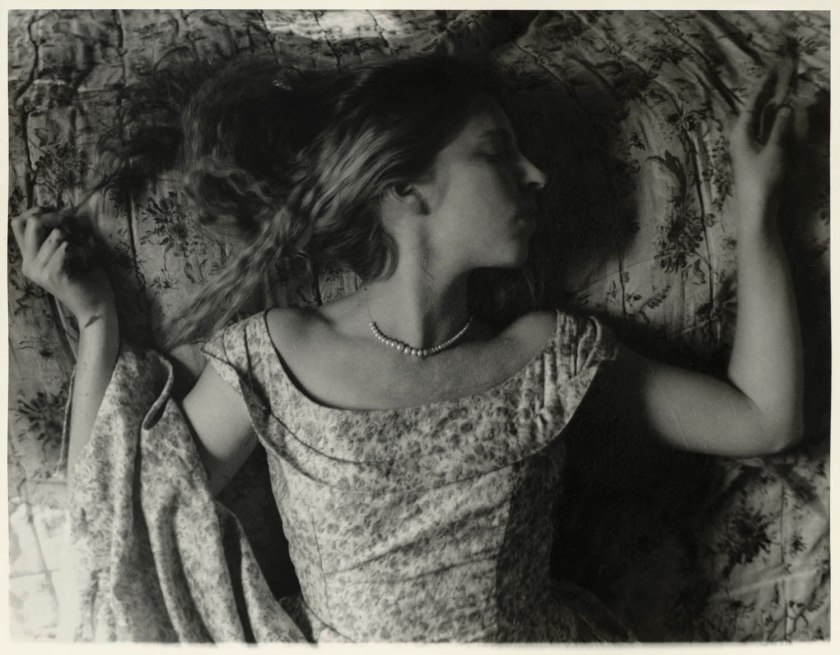
Finally, Francesca Woodman's Untitled from the “Caryatid” series (1980) is a surreal photograph exploring female form and architecture. The American artist's feminist lens, blending body and space, makes this a poignant addition to photography holdings, acquired in 2025.
The Broader Impact: Enriching Public Engagement and Scholarship
These acquisitions underscore the AIC's role in cultural stewardship, with over 1 million annual visitors benefiting from expanded narratives. By incorporating global perspectives—like the Nayaka textile's insight into colonial-era India or WalkingStick's environmental commentary—the museum promotes cross-cultural understanding. Future exhibitions and loans will amplify their reach, while scholarly research, supported by curatorial expertise, will uncover new interpretations. In a digital age, these physical artifacts remind us of art's enduring power to connect past and present.
FAQ
What were the key acquisitions by the Art Institute of Chicago in 2025? The highlights include works by Christian Schad, Kay WalkingStick, Frans Francken II, Léon Spilliaert, Francesca Woodman, and others, spanning paintings, textiles, and decorative arts.
How does the AIC acquire new artworks? Acquisitions come from art fairs like TEFAF Maastricht, private sales, and donations, with curators evaluating pieces for historical and artistic significance.
What makes A Nayaka Nobleman with Courtiers and Courtesans significant? This 17th-century Indian textile is rare, depicting Nayaka dynasty court life in exceptional condition, adding to the museum's South Asian collection.
Why is Christian Schad's portrait a milestone? It's the first Schad portrait in a U.S. museum, capturing a key figure in New Objectivity and interwar music history.
How do these acquisitions reflect diversity? They include Indigenous American, South Asian, European, and Latin American works, promoting inclusive narratives on identity and culture.
Can the public view these new additions? Yes, many are on display or planned for exhibitions; check the AIC website for updates.
0 comments