

Unveiling the Power of Minimalist Abstract Art: Where Simplicity Resonates Deeply
Minimalist abstract art stands as a testament to the profound impact of restraint in creative expression. By distilling visual elements to their essence—basic shapes, clean lines, and a limited color palette—this art form invites viewers to engage on a deeper emotional and intellectual level. Far from being mere emptiness, the simplicity in minimalist abstract art creates space for personal interpretation, evoking feelings that more complex compositions might overwhelm. This article explores the depths of this genre, drawing from its historical foundations to practical applications in modern life. We'll examine key principles, influential artists, selection tips, the allure of black-and-white variants, purchasing options, and the broader benefits, all while highlighting how less can indeed communicate volumes in an increasingly cluttered world.
Historical Foundations of Minimalist Abstract Art
The roots of minimalist abstract art trace back to the mid-20th century, emerging as a counterpoint to the emotional intensity of Abstract Expressionism. Post-World War II artists sought purity in form, rejecting narrative and symbolism in favor of objectivity. Influenced by earlier movements like Constructivism and Bauhaus, minimalism emphasized industrial materials and geometric precision.
In the 1960s, this movement gained momentum in New York, where artists like Frank Stella and Donald Judd challenged traditional notions of art. Stella's declaration, "What you see is what you see," encapsulated the ethos: art as an object in itself, devoid of illusion. This shift not only redefined painting and sculpture but also influenced design fields such as architecture and interior design, promoting functionality and clarity over ornamentation.
Core Principles: The Strength in Simplicity
At its core, minimalist abstract art adheres to principles that prioritize essence over excess:
- Reduction to Essentials: Artists eliminate distractions, focusing on fundamental elements like line, shape, and color to create harmony.
- Emotional Depth Through Restraint: Simplicity amplifies impact; the viewer's mind fills in the voids, fostering introspection and varied interpretations.
- Balance and Negative Space: Empty areas are as crucial as filled ones, providing breathing room that enhances overall composition.
- Material Honesty: Emphasis on the inherent qualities of mediums, whether paint, metal, or canvas, without unnecessary manipulation.
These tenets make minimalist art versatile, appealing to those seeking calm in chaotic environments. Unlike realism, which mirrors reality, or expressive abstracts that burst with energy, minimalism whispers, allowing silence to speak.
Influential Artists and Their Contributions
Minimalist abstract art owes much to pioneers who mastered simplicity's eloquence. Let's spotlight a few:
- Frank Stella: Rising in the 1960s, Stella's "Black Paintings" series featured stark stripes on canvas, stripping away emotion for pure form. These works revolutionized perception, influencing everything from graphic design to fashion.

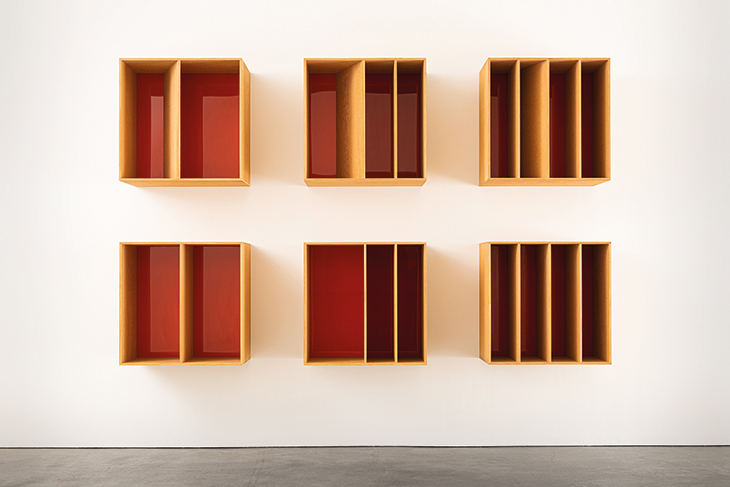
- Donald Judd: Judd transitioned from painting to sculpture, creating box-like forms from industrial materials. His emphasis on space and repetition blurred art and object, impacting modern architecture with clean, unadorned structures.
- Agnes Martin: Known for her subtle grids and faint lines, Martin's work evokes serenity and transcendence. Her paintings, often in pale hues, demonstrate how repetition can induce meditative states, blending minimalism with spiritual undertones.

- Ellsworth Kelly: Kelly's bold, flat colors and organic shapes abstracted nature into pure form. His vibrant compositions maintain minimalism's restraint while injecting energy, proving simplicity can be dynamic.

Contemporary figures like Sarah Morris continue this legacy, incorporating urban influences into geometric abstractions.
Techniques and Tips for Creating or Selecting Minimalist Abstract Art
Whether creating or curating, minimalist abstract art demands intentionality. For creators:
- Start with a Concept: Define the emotion—calm, tension, or balance—and sketch minimally.
- Limit Your Palette: Use 1-3 colors; experiment with shades for depth.
- Embrace Geometry: Employ squares, circles, or lines for structure.
- Incorporate Texture Subtly: Add faint brushstrokes or material variations without overwhelming.
- Edit Ruthlessly: Remove elements until only the essential remains.
For selection in spaces:
- Assess room size: Oversized pieces suit large areas; smaller ones fit cozy spots.
- Match colors: Neutrals for subtlety, pops for contrast.
- Align with style: Geometric for modern, softer for organic vibes.
These approaches ensure the art enhances without dominating, ideal for modern interiors.
The Timeless Appeal of Black and White Minimalist Abstract Art
Black-and-white minimalist abstract art has surged in popularity, offering stark contrast that captivates. This monochromatic approach strips color distractions, emphasizing form, texture, and light play. It evokes strength and tranquility, fitting seamlessly into diverse decors—from sleek offices to serene homes.
Cultural shifts toward simplicity in lifestyle amplify its rise; in a visually saturated world, black-and-white pieces provide respite. Versatile and timeless, they highlight composition's purity, making bold statements through understatement.

Where to Source Minimalist Abstract Art Online
Acquiring minimalist abstract art is accessible via online platforms:
- Etsy: Ideal for independent artists' unique, affordable prints.
- Saatchi Art: Curated selections by style, size, and price, featuring emerging talents.
- Society6: Versatile prints on various mediums, perfect for home decor.
These sites democratize art, allowing budget-friendly enhancements to your space while supporting creators.
Benefits of Integrating Minimalist Abstract Art
Beyond aesthetics, minimalist abstract art offers tangible advantages:
- Emotional Wellness: Promotes mindfulness and reduces visual clutter stress.
- Space Enhancement: Adds sophistication to interiors without overwhelming.
- Personal Expression: Allows for individual interpretation, fostering creativity.
- Investment Value: Timeless pieces often appreciate, blending beauty with practicality.
- Versatility: Complements various styles, from minimalist to eclectic.
In essence, it transforms environments into thoughtful sanctuaries.
Conclusion
Minimalist abstract art proves that profound communication arises from simplicity. By embracing reduction, it unlocks emotional depths, enhances spaces, and inspires reflection. From historical innovators to modern applications, this genre continues to resonate, reminding us that in art—as in life—clarity often yields the most powerful messages. Whether adorning your walls or sparking your creativity, let minimalist abstract art speak volumes in your world.
FAQ
What defines minimalist abstract art?
Minimalist abstract art is characterized by simplicity, using basic shapes, lines, and limited colors to convey emotions without representational elements, encouraging personal interpretation.
How does minimalist abstract art differ from other abstract styles?
Unlike expressive abstracts with chaotic energy or realism mimicking life, minimalism focuses on restraint and objectivity, stripping away excess for pure form.
Why is black and white minimalist art so popular?
Its monochromatic palette offers timeless sophistication, versatility across decors, and a focus on form and texture, providing calm in a complex world.
What should I consider when choosing minimalist art for my home?
Evaluate room size, color scheme, and personal style; aim for balance where the piece enhances without clashing, reflecting your desired mood.
Where can I buy affordable minimalist abstract art?
Online platforms like Etsy, Saatchi Art, and Society6 offer diverse, budget-friendly options from independent and emerging artists.
Can minimalist abstract art have emotional depth?
Yes, its simplicity creates space for viewers to project emotions, often evoking stronger reactions through what is implied rather than stated.
Image sources: All images sourced from respective webpages as indicated in captions, with credits to original platforms and artists.
0 comments